• Skip to primary navigation
  • Skip to main content
  • Skip to primary sidebar
Average But Inspired logo - DIY and craft

Average But Inspired

Craft a home you love. DIY and craft tutorials.

  • About
    • Contact Me
    • Disclosures
    • Privacy Policy and Copyright Policy
  • DIY
    • Furniture
  • Crafts
    • Dollar Store Crafts
    • Seasonal
      • Patriotic & Summer
      • Valentine’s Day
      • Easter & Spring
      • Fall & Halloween
      • Christmas & Winter
  • Home Decor
    • Organization
  • Shop
    • DIY Guides
  • Home

DIY

DIY Accent Wall: How to Paint a Grid Accent Wall

February 26, 2020 by Bre 4 Comments

In my old house, you saw a beautiful staircase and arched doorways when you walked in the front door.  In my new house, you see a large wall and a 1970’s-style funky staircase with ugly carpeting.  Not exactly the best first impression.  (This is the photo from the real estate listing.  Yes, multiple people asked if we’d be negotiating for the stager’s “come in we are awesome” sign. :-))

This is the BEFORE photo of the DIY accent wall.

Because of that, I needed to make the foyer feel more like “us” – not too serious but still put-together (most of the time).  On a whim I decided to paint a DIY accent wall to greet visitors to my home, and I think it turned out adorable!  I used trash (yes trash) and craft paint to paint this fun grid accent wall, and I can’t wait to show you how easy it was to add some style to my foyer!

This DIY accent wall is so fresh and fun! It's easy to paint a grid accent wall and this project took under 1 hour to complete.

So first off, let me remind you that I’m no stranger to the DIY accent wall.  A couple of years ago I added an adorable-but-subtle accent wall to my old home by putting up vinyl decals in a pattern to look like wallpaper.  I loved the burst of personality this added to a large blank wall, so I figured I would like something similar here.

What Supplies Do You Need to Paint an Accent Wall?

This post contains affiliate links.  To read my full disclosure policy, please click here.   

To paint this grid accent wall in my new home, I only needed a few supplies:

  • Craft paint (I used DecoArt Multi-Surface paint in Cactus)
  • Artist’s brush
  • Bowl of water
  • Pencil
  • Laser level (note: you could use a regular level if you don’t have a laser level)
  • Junk cardboard, foam, cardstock, poster board – anything with a little heft will do!

How Do You Paint a Grid Wall?

To begin, I fired up my laser level (which also came in handy for my vinyl decal accent wall!), and centered the red line cross on the wall I was going to paint.  When I had the red laser lines positioned where I wanted, I traced them onto the wall with a pencil.

Learn how to paint a grid accent wall in this post. The laser level is very helpful when painting a DIY accent wall.

Next, I grabbed a rectangular piece of foam padding that was in the box for my beautiful new rattan media console, and I held it parallel to the first vertical line that I’d drawn.  I traced along the edge of it, and brought it all the way down from ceiling to floor.  

Using a piece of trash foam, Bre creates a DIY accent wall with a grid pattern in her foyer.

I repeated this “hold the foam, trace the line” process until the entire wall was covered in perfectly-spaced vertical lines.  If you try this, you could use ANY rectangular piece of cardboard/foam/paper that has some heft to it, which will allow you to trace along the edge.  You’re not limited to trash foam from my media console – ha!

Then I did the same thing with the horizontal lines: I placed the foam parallel with the first horizontal line and traced along the edge; moving the foam from one side of the wall to the other.  

Draw the grid accent wall in pencil first.

When this was finished, I had a pencil grid on the entire wall.  This part of the process took about 20 minutes tops.  So fast!

Next, I got out my craft paint stash and found this lovely shade of green craft paint. I used craft paint because I had it already and I didn’t want to go to the store.  🙂  Regular latex paint would also work perfectly!

Bre used DecoArt Americana Multi-Surface Satin paint in Cactus to paint her DIY accent wall. 

I started by painting over the vertical pencil lines, making sure to vary the thickness of each stroke.  I intentionally wanted this DIY accent wall to be imperfect – no precise lines here!  

To paint a grid accent wall, go over the vertical lines with craft paint first.

And then . . . you guessed it . . . I painted over the horizontal pencil lines . . . starting at the top and working my way down.  

To paint a DIY accent wall with a grid pattern, paint over the horizontal lines with craft paint.

This entire painting process took around 40 minutes.

This hand-painted grid accent wall took under an hour to paint.

With my DIY grid accent wall complete, I moved my new console table into place.  

The Warwick 3-door cabinet from Target is a beautiful console table when paired with this hand-painted DIY accent wall.

And then I got to work on my favorite part: accessorizing!

Learn to paint a DIY accent wall in your home! This hand-painted grid accent wall cost nothing to paint and took under an hour to finish!

I rounded up a vintage painting I scored for $15, some other vintage finds (including the wicker tray, brass bowl, and postal scale), some big box store scores from years past (including the sunburst mirrors, pitcher and lamp), and my FAVORITE item: a watercolor family portrait painted by my nine-year-old daughter!

Hand-painted accent wall paired with vintage and meaningful decor makes for a beautiful entryway.

How CUTE is this little spot (and the doggie)???

This DIY accent wall with a hand-painted grid pattern and the cane console or rattan console make for a beautiful statement when entering this home.

Let’s do a quick recap: for $0 and an hour of time, I painted the cutest DIY accent wall in a fresh grid pattern.  Not bad, right?

If grids aren’t your thing, maybe you could try something different.  Perhaps a brushstroke accent wall, imperfect polka dot accent wall, crosses – whatever!  The point is that with no skill and no money (or very little money), you can add personality to your home.  So be encouraged and go get it done!  🙂

Painting your own accent wall is such a great way to add personality to your home! It's easy to paint a DIY accent wall and it doesn't cost much money at all. This painted grid accent wall is quirky and cute.

-Bre

Filed Under: DIY

How to Wallpaper a Bookcase with Peel and Stick Wallpaper

February 12, 2020 by Bre 16 Comments

blank

Learn how to use peel and stick wallpaper on the back of any built-in or bookcase for an easy update!

I thought I was excited about the limewash fireplace makeover I completed on my 1970s stone fireplace. But then I finished this project, and I was even more excited

Updating the mirrored built-ins on either side of the fireplace was a game changer. Painting the orange oak and adding wallpaper behind the shelves (to cover the mirrors that were there) transformed my living room instantly!  

And . . bonus . . it was very budget friendly.

Amazing! Previously dated 1970s mirror-backed built-in bookcases got a fresh new look with paint and removable wallpaper. See how she used grasscloth peel and stick wallpaper to hide the mirrors, and Behr Cabinet & Trim Enamel in Manchester Gray to paint these bookcases pretty!

This post contains affiliate links.  To read my full disclosure policy, please click here.

In case you haven’t been following my progress on Instagram, here is what one of the mirrored built-ins looked like after the fireplace makeover but before I got to work. 

So reflective.

Before these dated 1970s mirrored built-in bookcases got a makeover, they were an eyesore with thin trim and mirrored backs!

Built-In Makeover Part 1: Bulk Up the Trim

I started by ripping off the top piece of trim on each built-in, simply because I thought it was a little flimsy and I wanted it to be a bit more substantial.  

To updated 1970s built-ins, she removed the top piece of trim, which was too thin.

Once that trim was down, I built craftsman-style headers with two 1×2 pieces of lumber and one 1×4 piece of lumber per header. 

I used this tutorial for building craftsman window trim as a guide, but modified the tutorial to just use my trusty Ryobi brad nailer instead of screws.  Much easier, in my humble opinion.

To update 1970s built-in bookcases, she built a new craftsman-style header.

And yes, I did all of the building myself.  I also installed them myself, though my husband held them in place while I nailed them up so they wouldn’t move out of place.  (If you do this please make sure to find studs to nail into!)

To update 1970s built-in bookcases, she built a craftsman-style header and attached it to the top of the built-ins.

Once I had the new headers on the built-ins, they already looked nicer!  

To update 1970's mirrored built-ins, she built a new craftsman-style header for the built-ins.

Bookcase Makeover Part 2: Prime and Paint

Next, I removed the shelves from the built-ins and admired myself in the mirrors.  It was wonderful. (ha! Just kidding.) 

I cleaned all of the woodwork, including the shelves. I used TSP but another great pre-paint cleaner is Krud Kutter.

Then I primed the built-ins and the shelves.  I used the same Multi-Surface Primer that I used on my painted marble fireplace hearth, and I’m so glad I did because the shelves had A LOT of stains. That primer is amazing because it sticks to almost any surface AND it blocks stains.

To prime 1970s oak built-ins, she used Behr Multi-Surface primer.

I set up folding tables all over my house and painted away.  My family wasn’t really thrilled but I told them sometimes you have to suffer for beauty.

When priming built-in shelves, she set out folding tables to have plenty of space for painting.

After priming, I painted with Behr Cabinet & Trim Enamel paint in Manchester Gray.       

Behr's Cabinet & Trim Enamel in Manchester Gray was used to update these 1970s built-in bookcases.

The Cabinet & Trim Enamel was a great paint to work with.  It had very little odor, covered well, and self-leveled nicely (meaning fewer brush strokes).    

As part of a makeover of these 1970s mirrored built-ins, she painted the wood portions with Behr Cabinet & Trim Enamel in Manchester Gray.

I used a synthetic brush to paint it on, as well as a 1/4″ nap foam roller to roll it on wider swaths of the built-ins as well as the shelves.  To efficiently paint built-in bookcase shelves, she set out numerous folding tables as painting stations.

It took two coats of paint (plus the primer) to cover the old oak bookcases. But they looked soooooooo nice.

Built-Ins Makeover Part Three: Wallpaper Behind the Shelves

I let the paint cure for a few days, and then I got to work covering the backs of the bookcases (Mirrors! Why????) with peel and stick wallpaper.

My original plan was to cover large foam boards with fabric and rest those foam boards in the backs of the shelves, but I changed my mind and chose to use this peel and stick grasscloth wallpaper instead. 

Now, I somehow deleted all of the photos showing the process. I wish I could SHOW you how I did this, but I will do my best to explain it without pictures.

To hang peel and stick wallpaper in a bookcase, behind shelves, I gathered these supplies:

  • Level
  • Tape measure
  • Pen
  • Scissors
  • Wallpaper smoother and knife kit
  • White crayon (specific to hanging peel and stick wallpaper on a mirror); Sharpie marker will work for non-mirrored surfaces.

I started by measuring the length of the back of the bookcase and cutting a piece of wallpaper a little longer than that.

Because my peel and stick wallpaper wasn’t wide enough to cover the whole back of the built-in, I measured the width of the wallpaper and marked that width on the back of the bookcase. I did that all the way down the bookcase, and then connected those dots with the level to make a straight, vertical line going down the back of the boockase.

This line gave me a visual reference of where the right edge of the wallpaper should go in the bookcase, so that it would remain straight.

Because I was writing on a mirror, a white crayon worked perfectly. If you’re going this on a painted surface (or wood), you can use a Sharpie marker.

I peeled back about 6 inches of the wallpaper backing paper and pressed the first part of the wallpaper into place, starting at the top – making sure to keep it aligned with that line I drew down the bookcase.

I used the wallpaper smoother to remove air bubbles as I went along. This was really tricky on the mirror, but it was doable. If you’re putting wallpaper onto a painted or wood bookcase, this will be much easier!

I repeated this process all the way down to the bottom of the built-in, and then cut the excess wallpaper with the utility knife.

Then, I measured the remaining width of bookshelf back to be covered with paper, and cut the next strip of wallpaper to a little wider than that. And again, I cut the length just a little longer than the length of the bookcase.

This time I used the edge of the wallpaper I’d already placed as my guide, and worked all the way down the bookcase.

Once the paper was smoothed and in place, I cut any excess at the side and bottom with the utility knife.

I really wish I had photos of the process, but all I can show you is how that peel and stick grasscloth wallpaper looks in my newly re-finished built-ins! 

These 1970s mirrored built-in bookcases got a gorgeous makeover with cabinet paint and peel and stick wallpaper! Grasscloth peel and stick wallpaper is a beautiful way to cover mirrors.

P.S. you may notice we removed the carpet and had luxury vinyl plank floors installed. That’s part of the reason I decided to paint the built-ins – I think there would’ve been too many wood tones happening.

Outdated 1970s built-ins got a new look with cabinet paint and peel and stick wallpaper. You won't believe the transformation.

And no, we don’t have the baseboards in yet. 🙂

Dated 1970s mirrored built-ins got a gorgeous update with paint and peel and stick wallpaper.

Do you need a BEFORE photo to remind you where I started?  (I think you do!)  

This is the before of this blogger's stone fireplace and mirrored built-ins. See the after - you won't believe it!

Totally different, huh?  So much less shiny!  

Dated 1970s bookcases got a beautiful update with paint and peel and stick wallpaper.

Instead of being an eyesore, these built-ins are now a perfect place for me to display my thrifted and vintage finds, family photos, and other little decor items I love.

Peel and stick wallpaper covers mirrored backs of built-ins from the 1970s.

Formerly an eyesore, these built-ins are now beautiful with a fresh coat of paint and peel and stick wallpaper to hide the mirrored backs.

The baskets on the bottom are also a perfect place to store blankets and other random junk I don’t want out on display!

Grasscloth peel and stick wallpaper covers mirrored backs in these 1970s built-ins.

I’m proud to say that those two baskets are the only new things I bought to style these shelves, as I had everything else already.  Yay for being fiscally responsible! 🙂

If you have dated built-ins that could use some new personality, give this a try!  Painting the bookcases and adding wallpaper to the backs can give them a whole new life!

Filed Under: DIY, home decor

How to Paint a Marble Fireplace Hearth in Four Easy Steps!

January 27, 2020 by Bre 2 Comments

blank

Looking to update a fireplace hearth without spending a ton of money? Learn how to paint a fireplace hearth with the instructions in this post!

I recently shared the first makeover in my new house – my limewashed stone fireplace – and I am thrilled with the impact it made in the living room!  As part of that makeover, I also had to paint the fireplace hearth because it stuck out like a sore thumb once the orange stone on the fireplace facade was limewashed.

See what I mean in this before picture?  BEFORE this marble hearth was painted, it stuck out against the limewashed fireplace stone.

Painting the marble hearth was a little risky because I wasn’t sure if it would actually work, but I painted and stenciled the tile hearth in my old home, so I decided to chance it here, too!

I’m happy to report that the painted marble finish is beautiful and it’s holding up fantastically.  2024 UPDATE: We have fires in here regularly in the winter, and there have been no issues with paint bubbling, peeling, or cracking!

This painting process will work on hearth surfaces other than marble, and will also work on marble, tile, and concrete fireplace surrounds.

Learn to paint a marble fireplace hearth in four simple steps! It's easy to get a durable finish for your fireplace hearth by painting it.

This post contains affiliate links.  To read my full disclosure policy, please click here.

Supplies Needed to Paint a Fireplace Hearth

This post contains affiliate links. For more information, please read my disclosure policy.

These are the materials I used to paint the marble fireplace hearth shown in this post. The good news is that even if your hearth is a different surface, the same supplies will work! The key is in the adhesion primer, which will allow the paint to stick to many surfaces.

  • Behr Multi-Surface Primer
  • Americana Decor Satin Enamels Paint (I used the color Neutral Beige. And note: in early 2024 the company changed the name of this paint at some retailers to “Your Home.”)
  • Small foam roller and tray
  • 1.5″ paint brush
  • TSP
  • 120 grit sandpaper

How to Paint a Fireplace Hearth

It was so easy to paint my fireplace hearth, and it only took four steps.  You can do this project in a matter of hours!  The hardest part is waiting for the paint to dry.

Step One: Sand the Hearth

As with all painting projects, the first step is preparation.  Preparation is so important for getting a quality finish! 

I always want to get to the “pretty part,” but for a slick surface like marble, this step is not to be missed.  So, make sure to use a finer grain sandpaper (I used 120 grit) and lightly rough up the marble hearth. 

Sanding is also important for any other hearth surface you may be painting: granite, tile, concrete, and more.

Before painting a marble hearth, make sure to sand it.

Step Two: Clean the Hearth

Next, you need to clean the hearth.  Think about the gross stuff that accumulates on a hearth over time.  Dust, dirt, ash . . . the list goes on and on.  And, with the roughed up surface you’ve just created by sanding, you definitely don’t want to skip this step.

Mix up some TSP, which is a great cleaner to use before painting (it even says so on the box – ha!), and wash the entire hearth.

Check out this other painted fireplace hearth project! I painted it to look like soapstone!

Step Three: Prime the Marble Hearth

Next up comes priming!  Because marble is porous and slick at the same time, you MUST PRIME before painting!  I don’t care if you’re using paint that tells you don’t have to prime (like chalk paint), you absolutely must prime the hearth prior to painting it.

This is true for any surface your hearth may be: concrete, tile, and more.

For this project, I used Behr Multi-Surface Primer because it specifically says that it works on glossy surfaces.  I wanted to make sure that the primer and paint I used didn’t wipe right off, so I gave the product a try.

First I applied a thin coat of primer with a brush along the rough edges of the hearth.

Use a multi-surface primer before painting a marble fireplace hearth.

Then, I applied a thin coat on the top of the hearth with a tiny foam roller, and it worked wonderfully.

Prime the marble hearth prior to painting it.

I let the primer dry for a few hours until I was sure it was ready for a topcoat.  The fireplace looked better with just primer on it.  This is the fireplace with a primed marble hearth.

2024 UPDATE: This multi-surface primer is my go-to primer now. I used it for just about everything. The fact that it adheres to just about everything and also blocks stains at the same time is fantastic.

Step Four: Paint the Marble Hearth

Finally, the moment you’ve been waiting for!  The actual paint gets to be applied!

For my marble fireplace hearth, I chose to use Americana Decor Satin Enamels Paint in Neutral Beige.  I used this paint because it’s a multi-surface paint that self-seals – meaning it doesn’t need a topcoat! 

I previously used this paint on my blue painted bathroom vanity makeover and in my mom’s bold powder room green vanity makeover, so I knew it has a durable finish with a sheen that I like.  DecoArt Americana Decor Satin Enamels works for painting a marble fireplace hearth. This is Satin Enamels in Neutral Beige.

I used the same process of painting the edge of the hearth with a brush and rolling the paint on the top of the hearth with a foam roller.  Use a brush and a foam roller to paint the marble fireplace hearth.

After two coats of paint the marble was flawless and looked amazing with the newly limewashed fireplace stone.  Thank goodness the orange hearth was gone!  This painted marble hearth now looks perfect with the limewashed stone fireplace.It's easy to paint a marble hearth on a fireplace!

I know marble is not typically a surface that gets painted, but in this case, I just had to update it. This limewashed stone fireplace and painted marble hearth are an amazing DIY makeover! You can easily paint a marble hearth in four steps.

I have a feeling there are others out there living with dated marble fireplace hearths or ugly marble fireplace surrounds, too, who are hesitant to paint their marble.  I say just jump in and do it!  This is an easy project with a huge return.  Don't live with ugly marble! Paint it! In just four simple steps, you can paint your marble fireplace hearth and get a brand new look!

Next up, I will be showing you the makeover I’m giving the built-ins that flank this fireplace! They’re looking beautiful so far!

Filed Under: DIY

Limewash Stone Fireplace Makeover: Bye Bye Orange Stone Fireplace, Hello Neutral Stone Beauty!

January 14, 2020 by Bre 66 Comments

blank

If you want to change the color of a stone or rock fireplace or wall, try limewash! This post shows how to limewash stone fireplace to retain a natural look.

Last September I announced that we were moving from our beloved home outside of Chicago to the Milwaukee suburbs.  On December 21 we moved in to our new home, and since then, I have been busy unpacking and trying to make this house feel like our home! 

I tackled my first big project, which was a makeover of our massive 1970s fireplace, and I am thrilled to share my limewash stone fireplace makeover with you now! 

(Update: I subsequently finished my limewash stone exterior makeover, too!  Be sure to check it out!)

This DIY stone fireplace makeover is amazing! For under $70 see how she transformed her dated 1970s stone fireplace with limewash.

Before I show you all the pretty “after” makeover fireplace photos, I have to show you the beast I was working with!  Complete with a wide variety of orange rocks, this extra large fireplace really clashed with my living room decor.

This 1970s orange rock fireplace got a much-needed update and makeover with Riposo Beige limewash.

This post contains affiliate links.  Please read my disclosure policy for more information.

As much as I can, I like to work with what I’ve got, though, and I did not want to tear down this fireplace (can you imagine the dust and mess?!?), concrete over the rocks, or frame it out with wood and ruin the 70s vibe we’ve got going on here.  So, I did some research and decided to do a DIY stone fireplace makeover with Romabio brand limewash.

What is Limewash?

Sorry if you already know this, but I thought that some of you might be unfamiliar with limewash, so let me fill you in!  Basically, limewash is a heavily mineral-based paint that produces a very chalky and matte finish. 

The minerals seep into the porous surface to which the limewash is applied and give a really authentic and aged look.  It is VERY popular for painting bricks and other masonry, like stone!

There are several brands of limewash on the market, and apparently, you can even make your own!  I chose to use Romabio brand limewash because I follow the company on Instagram and love every makeover I see with their products, and because their limewash is affordably priced and comes in many colors.  I used the Riposo Beige shade for my limewash fireplace makeover.

Why Use Limewash on Stone and Brick Instead of Paint?

You might be wondering why I chose to limewash my stone fireplace instead of painting it . . .

Well, there are several reasons!

First, I like that limewash is removable within the first five days of application.  This made the project seem less risky to me.  Although it probably would have been messy and tedious to remove the finish if I didn’t like it, I felt good knowing that it wasn’t permanent if I hated it.

Next, I like that limewash has little to no odor, unlike many types of paint!  I did this project in January with no windows open, and there were no stinky fumes invading my house.

Third, I liked that the finished look was completely up to me in terms of how much of the original stone color I wanted to show through.  Simply by thinning the limewash with water, I would have been able to get a more translucent effect and would have allowed more of the natural stone color to show through.  This is perfectly fine with limewash and does not affect the durability of the product! 

In my case, I was trying to mask the orange tones, so I applied the limewash in a more opaque finish.  But had I wanted to, I could have allowed more of the stone color to show through.

Limewash Fireplace Supplies Used

Now that you have a little more background on limewash, let me fill you in on the supplies you need to limewash a stone fireplace.  Surprisingly, it isn’t that much!

  • Masonry brush
  • Dropcloth
  • Cleaning rags/towels
  • Spray bottle with water
  • Mixing bucket
  • Stir stick
  • Limewash (I used Riposo Beige for my fireplace)
  • Painters tape
  • Optional: smaller paintbrush to get in crevices and hard-to-reach areas

All in, this project cost me just under $70, and that is because I had to buy things like painters tape, rags, and a protective tarp (since the ones I already had are still packed away from the move).  If you already have these items, your project cost will be less.

These are the supplies you need for a limewash stone fireplace makeover.

How to Limewash Stone

I think you won’t believe how easy it is to limewash a stone fireplace, or any rock surface!

Step One: Protect Surrounding Surfaces

First, make sure to protect surrounding surfaces with a tarp and painters tape.

Before limewashing your fireplace, protect surfaces with a tarp and painters tape.

Step Two: Clean the Stone or Rock

Next, clean the stone with a wet rag.  Make sure to get rid of any cobwebs hiding in between the rocks, and get the rocks wet (but not dripping wet).

Before limewashing your fireplace, wash the rock and remove cobwebs.

Step Three: Wet the Rock or Stone

After the stone fireplace surround is clean, get out your water bottle and spray the rocks.  You want the rocks to be wet, but you don’t want water running down the rocks.

Spray the rocks on the fireplace to get them wet prior to limewashing.

Step Four: Mix the Limewash

Now it’s time to mix up the limewash!  For this step, make sure to read the product instructions that come with the limewash you have purchased.

Romabio Classico limewash in Riposo Beige, prior to being mixed.

I chose to mix my quart of limewash with half the amount of water (so, 16 ounces in this case), and this resulted in a thicker cover of limewash. 

Remember to mix, mix, mix the product so that there is no extra water left at the top of the bucket, and so that everything is all mixed together.  This could take up to ten minutes because limewash is very thick to begin with!

Mix the Romabio Classico limewash with water prior to applying it to the fireplace.

Once the product is fully mixed, it’s time to apply the limewash to the fireplace. 

Step Five: Apply the Limewash

I started on the top left side and worked my way down the fireplace with the masonry brush.  I watched carefully to see when the limewash was almost dry (but not totally dry), and then began to wipe it off very lightly.

Apply the limewash to the top of the stone and work your way down.

Doing this let some of the rock tones show through – but not too much!

I repeated this application/drying/wiping process across the front and couldn’t believe the immediate difference the limewash made!  I won’t lie – I did have a minor time of doubt as it was such a drastic difference, but I know that I always do that with any project, so I calmed down and kept working.

This is the halfway point of the stone fireplace makeover. The left side has Romabio Classico limewash on it in Riposo Beige, and the right side is natural stone.

Step Six: Get the Nooks and Crannies

Once I finished the entire fireplace, I went back into the nooks and crannies I missed with the bulky masonry brush, and touched up those spots with a small paintbrush.  (If you’re working with a limewash solution that is more diluted than my mixture, this may not be an issue for you!)

After the stone has been limewashed, you may want to go back to the crevices and apply more product.

I stood back and admired the look of my limewashed rock fireplace, and then noticed how awful the orange hearth looked against it.  I felt a pit in my stomach because I couldn’t let this orange hearth ruin this makeover! 

The limewash did not work on the marble hearth (I accidentally got some on the hearth, and it wiped right off even though it had dried), so I had to think of a different solution.

This stone fireplace has been limewashed, but the hearth has not yet been painted.

The good news is that I did come up with a way to paint my marble fireplace hearth, and the whole project came together gorgeously!  (Click that link if you want to learn how to paint a marble fireplace hearth, too!)

The Completed DIY Stone Fireplace Makeover

I know, I know – you want to see it!  Here is the completed fireplace makeover – it looks so different!

This 1970s stone fireplace features a limewash finish in Romabio Classico Riposo Beige.

I cannot believe what I accomplished for under $70!

This stone fireplace makeover is gorgeous! The natural stone shines through the Riposo Beige limewash finish.

And in case you’re wondering why I didn’t paint the brass fireplace doors – it’s because I like them!  Brass is one of my favorite finishes.

This 1970s stone fireplace got a beautiful makeover with limewash. This is an easy DIY project that takes one day to complete.

Decor should be about what you like and not what others say you should do, so I am leaving them.  (For now, at least.  ;-)).

See how this dated stone fireplace got a fresh new look with limewash!

Final Thoughts and the Nitty Gritty on a Limewash Fireplace Makeover

In total, I spent just about 4.5 hours on this DIY stone fireplace makeover – from cleaning, to wetting the stone, to mixing the limewash, and applying the limewash.  Note that if your limewash solution takes longer to get to the “wipe off” phase, your project time could be longer.

It was TOTALLY worth it.  My living room is so much brighter, and my fireplace looks so much better.  I didn’t have to spend a ton of money to make it look fresh, and I am so thankful to have found out about limewash!  This dated 1970s stone fireplace got a beautiful new look with limewash.

I used an entire quart of limewash in the Riposo Beige shade for this fireplace and I didn’t have any left over. If you use Romabio Classico Limewash, they have helpful tools on their website that will let you figure out how much product you need for your specific project.  They say that generally, a quart is enough for a fireplace makeover.

The next step in this living room overhaul is to paint the wall surrounding the fireplace (it’s currently a gray/purple color), and then paint the built-ins and get rid of the mirrored backs!  UPDATE: I finished the mirrored built-ins makeover, and we replaced the carpeting with luxury vinyl plank flooring (you can read my luxury vinyl plank review here!) 

blank
The fireplace with the flanking bookshelves made over and new flooring

We would also like to have a mantel built for the fireplace, but it is surprisingly expensive (according to the one quote I’ve gotten), and my large round wood mirror gives the natural wood look we’re after – at least for now!

So, what do you think?  Was this 1970s stone fireplace makeover a success?  Let me know in the comments, and please share this post to Pinterest to help others learn how to limewash their fireplaces, too!  We stone fireplace people need to stick together!  🙂

And, if you’d like to see another DIY fireplace makeover I did, check out my DIY wood slat fireplace!  This is a total transformation of the 1970s brick fireplace in my bedroom, and it’s aaaaaa-maaaa-zing!

For under $70 you can give your dated stone fireplace a whole new look! Read this post to learn how to limewash the stone and freshen it up.

Filed Under: DIY, Reader Favorite

IKEA Bathroom Vanity Hack: IKEA Silveran for a Shallow Space

June 17, 2019 by Bre 2 Comments

blank

This IKEA bathroom vanity hack is the perfect solution for small bathrom storage and countertop space. Learn how to hack the IKEA Silveran.

Like many bathrooms in old homes, our upstairs hall bathroom is small!  We just renovated it (check it out in this 1920’s bathroom renovation post), and knew we had to work in as much storage and countertop space as we could, while getting the period-correct look we wanted. 

That’s where our IKEA bathroom vanity hack comes in! 

We hacked the IKEA Silveran sink cabinet and turned it into the perfect bathroom vanity and bathroom storage solution for a small bathroom! 

This IKEA Silveran bathroom vanity hack is a perfect small bathroom storage solution! Customized with turned legs and a quartz countertop, this Silveran cabinet is the perfect addition to this small bathroom.

This IKEA bathroom storage hack might be perfect for your small bathroom, or it might inspire you to modify a different IKEA piece for your bathroom! 

NOTE: As of 2024 the Silveran line has been discontinued, but this IKEA bathroom cabinet could be a good substitute!

There are so many possibilities if you think creatively about how to use IKEA furniture in your space.

This post contains affiliate links.  To read my full disclosure policy, please click here.

Before I show you what we did here, I want to thank Marti at Project Palermo (also a Chicago girl!), who previously posted an IKEA Silveran hack, and who gave me the inspiration to also hack this piece! 

Although my hack is slightly different from hers, she definitely deserves credit for being the hacking pioneer!

OK, so anyway, I desperately needed a shallow depth vanity to fit this tight spot next to the console sink, and my Google searches revealed the Silveran. 

At just 9 7/8″ deep, it was the perfect fit!  It comes just like this – white, and with no legs or countertop.  It’s super basic, and meant to work with legs and a sink you purchase separately from IKEA!  The IKEA Silveran sink cabinet in white.

When assembled, it doesn’t even have a back!  The IKEA SIlveran sink cabinet can be hacked to create a beautiful sink vanity in a small bathroom.

We started by cutting a piece of plywood to fit the back and the bottom, and used my brad nailer to secure both pieces into place. 

TIP: Some of the nails went in crookedly and poked out in places we didn’t want.  No problem! We used a metal file to sand and smooth them, making them a non-issue.

Adding a plywood base and plywood back to the IKEA Silveran sink cabinet is the beginning of a useful IKEA bathroom vanity hack.

We also secured the back part of the cabinet with the wall mounting hardware provided with the sink cabinet.Learn how to customize the IKEA Silveran sink cabinet to create small space storage.

Once the back and bottom were mounted to the vanity, we attached these 6″ unfinished wood table legs using the corresponding furniture leg mounting plates. 

We initially attached these 9″ legs, but they were too tall and made the vanity quite unsteady, so I went back and got 6″ legs instead.  Those worked much better!  Add turned wood legs to the IKEA Silveran sink cabinet for a custom look.

Next, we attached trim pieces along the bottom front and sides, where the plywood meets the Silveran cabinet.  We used wood glue only for this!  Adding wood trim around the base of the IKEA Silveran sink cabinet gives it a finished look.

Once that dried, we attached trim pieces at the joint of the back plywood and the cabinet, also in order to give a more finished appearance.  Adding trim around the IKEA Silveran sink cabinet gives it a finished appearance.

While the glue on those trim pieces dried, I ran up to Sherwin-Williams and got my own custom IKEA white paint color made!  I brought one of the pre-finished doors with me and they color matched it.  Brilliant!  Need the formula for IKEA white furniture finish? Get paint custom color matched and get the finish right every time. See how the IKEA Silveran sink cabinet in white looks when customized.

I got to work priming and painting all of the newly-added unfinished wood pieces, and was so happy that the white was a super close match to the original finish of the Silveran cabinet. 

Because of that, I left the original cabinet the color it came to me, and just painted the pieces we added.  Less work = happier me.Add prefinished shelving to the IKEA Silveran sink cabinet for more functional storage.

Although the Silveran came with an interior shelf, it was shallower depth than the cabinet, and not very functional.  Because of that, I cut pre-finished Home Depot shelving to size and used that instead.  

I added some cute blue and white ceramic knobs, and then the final step was getting a custom countertop made! Add pretty drawer knobs to an IKEA piece for an easy upgrade.

My contractor took the measurements to his “guy” and had a quartz scrap cut to size. He added it to the hacked Silveran vanity and got it into place in the bathroom.  It is perfect for this tight bathroom spot! 

TIP:  Our contractor fastened the Silveran to the wall for maximum stability.  Because he had to drill through the wall tile, we saved extra wall tiles so that if we ever decide to remove our Silveran vanity, we can replace the wall tiles with perfectly-matched tile.The IKEA Silveran sink cabinet is customized with a quartz countertop and wooden legs. It is the perfect small bathroom storage vanity!

It gives us just what we need in here – a place to store necessary supplies and a spot to set things while primping and cleaning up.  🙂

This IKEA Silveran hack is a great bathroom vanity storage solution! Learn how to customize the Silveran to fit your bathroom needs in this post.

The perfect small bathroom storage solution!  This IKEA Silveran bathroom vanity hack is fantastic! See how a plain sink cabinet became a functional vanity and storage spot for a small bathroom. The shallow depth cabinet is perfect for tight spots!

Although this particular IKEA bathroom vanity hack might not be the perfect bathroom storage solution for your space, I hope it gives you some inspiration and ideas on how to modify IKEA furniture to fit your needs! 

Don’t be scared – just get started and figure things out as you go along.  We made about four separate trips to Home Depot for this project because we modified our plan as we went along.  🙂

You May Like This IKEA Bar Cart Hack, Too!  blank

Filed Under: DIY

How to Build a Backyard Fire Pit

July 11, 2018 by Bre 9 Comments

blank

One of the most rewarding DIY projects my husband and I have completed is building a fire pit in our family’s tiny backyard.  Spending time together relaxing, roasting marshmallows, and eating way too many s’mores is the perfect way to enjoy the yard.  It was not a difficult project, and I can’t wait to show you how to build a backyard fire pit of your own!

Learn how to build a beautiful custom backyard fire pit for any size yard! Make memories with bonfires, s'mores, roasted marshmallows and more. This tutorial teaches you how to build your own fire pit!

Supplies Needed to Build a Backyard Fire Pit

This post contains affiliate links.  To read my full disclosure policy, please click here.

Fire Pit Supplies:

  • 36″ Galvanized Metal Fire Ring
  • Landscape bricks (we used approximately 65 of these mini flagstone bricks)
  • DAP DynaGrip Adhesive
  • Caulk Gun
  • Paver base
  • Paver sand
  • Pea gravel

Tools:

  • Tamper
  • Level (long length)
  • Hammer
  • Mallet
  • Chalk
  • Knife

Optional:

  • Landscape Weed Barrier Fabric
  • Netting Staples

How to Build a Fire Pit in Your Backyard

Before Building a Backyard Fire Pit – Things to Consider

Before you build a fire pit in your backyard, there are a few things to take into consideration.  The first is whether there are any buried cables in the area that you need to be careful of when digging. 

The second is whether your city, town, village, or whatever has any codes or regulations that will impact your project. 

And the third is whether your fire pit will negatively impact any neighbors (smoke sensitivities, etc.).  Think about all of this before beginning work to ensure a happy fire pit experience!

Phase One: Clear the Land

Once you have those things figured out, the first step in all of this is to clear out the area where you’re placing the fire pit.  As you can see from this picture, we had a lot of plants (namely, giant hosta, which are difficult to remove), to clear.  

Learn how to build a beautiful custom backyard fire pit for any size yard! Make memories with bonfires, s'mores, roasted marshmallows and more. This tutorial teaches you how to build your own fire pit!

Once the plants were removed, we got to work raking up the area and getting the ground level.  The kids got involved in this part of the project, which was fun!  

Learn how to build a beautiful custom backyard fire pit for any size yard! Make memories with bonfires, s'mores, roasted marshmallows and more. This tutorial teaches you how to build your own fire pit!

We used our level to make sure we got the ground as flat and as even as we could, and then we laid down the landscape weed barrier fabric to prevent vegetation (like those darn hosta), from growing up around our eventual fire pit.  

Learn how to build a beautiful custom backyard fire pit for any size yard! Make memories with bonfires, s'mores, roasted marshmallows and more. This tutorial teaches you how to build your own fire pit!

Next, we figured out where we wanted the fire pit, and used chalk to make a circle several inches wider than the galvanized fire ring.  Then we cut that circle out of the landscape barrier.  

Learn how to build a beautiful custom backyard fire pit for any size yard! Make memories with bonfires, s'mores, roasted marshmallows and more. This tutorial teaches you how to build your own fire pit!

You might be wondering why we used a galvanized fire ring in our fire pit construction when many other fire pit tutorials do not use one.  The main reason is that we wanted our fire pit to be extra durable, and also for the landscape bricks not to get charred by the flames. 

One other benefit of using the fire ring is that you can purchase accessories, like grill grates and fire pit spark screens, that fit perfectly over the fire ring. 

Finally, we also thought it made it easier to create a perfect circle with the landscape bricks.  While this added a little extra cost to the construction, it was worth it in our minds.

Learn how to build a beautiful custom backyard fire pit for any size yard! Make memories with bonfires, s'mores, roasted marshmallows and more. This tutorial teaches you how to build your own fire pit!

Phase Two: Preparing the Ground for Landscape Bricks

The next step was to fill in the circle with paver base.  Once that was poured, my husband got to work with the tamper, pounding it down and getting a level surface that was slightly lower than the surrounding ground.

Learn how to build a beautiful custom backyard fire pit for any size yard! Make memories with bonfires, s'mores, roasted marshmallows and more. This tutorial teaches you how to build your own fire pit!

Next, we poured paver sand around the perimeter of the circle – so where the galvanized fire ring and the landscape bricks would sit.  We again used the tamper to make that paver sand flat.

Then we placed the galvanized fire ring into the paver sand, using a mallet to pound it into the paver sand, paver base, and ground ever so slightly, and we laid our first row of landscape bricks around the fire ring. 

NOTE: it’s important to leave a space of about 2.5″ between the fire ring and the landscape bricks because if you place the landscape bricks right against the ring, by the time you get to the top row of landscape bricks, they will be too close to the fire ring and will be jutting out farther than your base row of bricks.  You will have to disassemble and start over. 

(Prior to gluing our bricks together, we stacked all four rows to see how this would work, and it didn’t!  That’s how we knew to put that space between the fire ring and the landscape bricks at the bottom.)

Learn how to build a beautiful custom backyard fire pit for any size yard! Make memories with bonfires, s'mores, roasted marshmallows and more. This tutorial teaches you how to build your own fire pit!

Once the first row of landscape bricks was laid, it was time to move onto the next row.  We used DAP DynaGrip adhesive to hold our bricks together.  We simply applied it to the stones and pressed them down, making sure to stagger them rather than laying them directly one on top of the other.  

Learn how to build a beautiful custom backyard fire pit for any size yard! Make memories with bonfires, s'mores, roasted marshmallows and more. This tutorial teaches you how to build your own fire pit!

We repeated this process two more times, making our fire pit four rows of landscape bricks high.  Note that once the landscaping went in, the first row of bricks was essentially “underground.”  

Learn how to build a beautiful custom backyard fire pit for any size yard! Make memories with bonfires, s'mores, roasted marshmallows and more. This tutorial teaches you how to build your own fire pit!

We added inexpensive pea gravel inside the fire pit, and with that, our backyard fire pit was complete!

Over the following weeks, I spent time landscaping around the area to make it look nicer. 

Learn how to build a beautiful custom backyard fire pit for any size yard! Make memories with bonfires, s'mores, roasted marshmallows and more. This tutorial teaches you how to build your own fire pit!

This project took us about 8 hours to complete, and that included ripping out all the pre-existing landscape and running to Home Depot a few times for extra supplies. 

At the end of the day, I can honestly say that if you’ve ever thought about adding a fire pit to your backyard, you should go for it!  It brings a huge element of fun to your outdoor space and is a wonderful memory maker for your family and friends.  

Learn how to build a beautiful custom backyard fire pit for any size yard! Make memories with bonfires, s'mores, roasted marshmallows and more. This tutorial teaches you how to build your own fire pit!

I’d appreciate it if you’d pin this post to help others find out how to build a backyard fire pit!  

Learn how to build a backyard fire pit for any size yard! Make memories with bonfires, s'mores, roasted marshmallows and more. This tutorial teaches you how to build your own fire pit! #backyardfirepit #firepit #diyfirepit #budgetfirepit

Once you’ve done that, come over and roast a marshmallow with me!  🙂

-Bre

Filed Under: DIY

  • « Go to Previous Page
  • Page 1
  • Interim pages omitted …
  • Page 9
  • Page 10
  • Page 11
  • Page 12
  • Page 13
  • Page 14
  • Go to Next Page »

Primary Sidebar

Let’s Connect!

Hi, I’m Bre! Thanks for visiting Average But Inspired, where I show you how to work with what you’ve got to create a home you love.

Bre of Average But Inspired - a DIY and craft blog

Love DIY? Subscribe to Get Posts E-mailed!

How Can I Help You?

blank

Limewash Stone Fireplace Makeover: Bye Bye Orange Stone Fireplace, Hello Neutral Stone Beauty!

blank

My DIY Kitchen Makeover Reveal!

blank

How to Paint Over Tile

blank

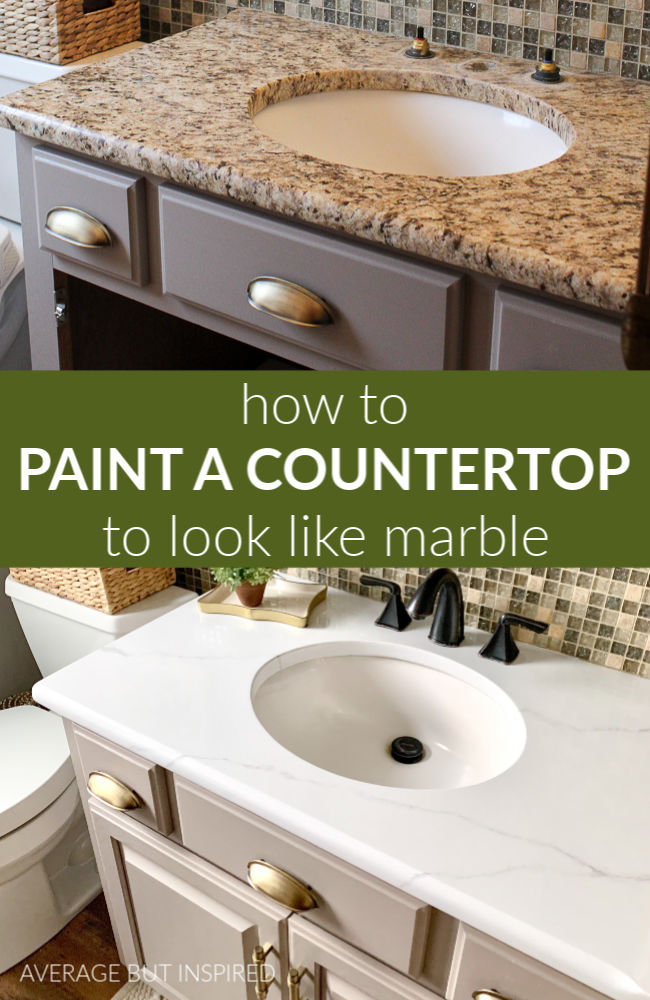
How to Paint a Countertop to Look Like Marble!

Looking for Something?

Copyright © 2013-2022, Bre Eggert (Average But Inspired). All rights reserved.
  • Home
  • DIY
  • Crafts
  • Home Decor
  • Privacy Policy and Copyright Policy
  • Disclosures
  • Contact Me